How Tucson General Contractor Delivers Quality Craftsmanship
Tips for Finding the Perfect General Contractor for Your Next Home Renovation
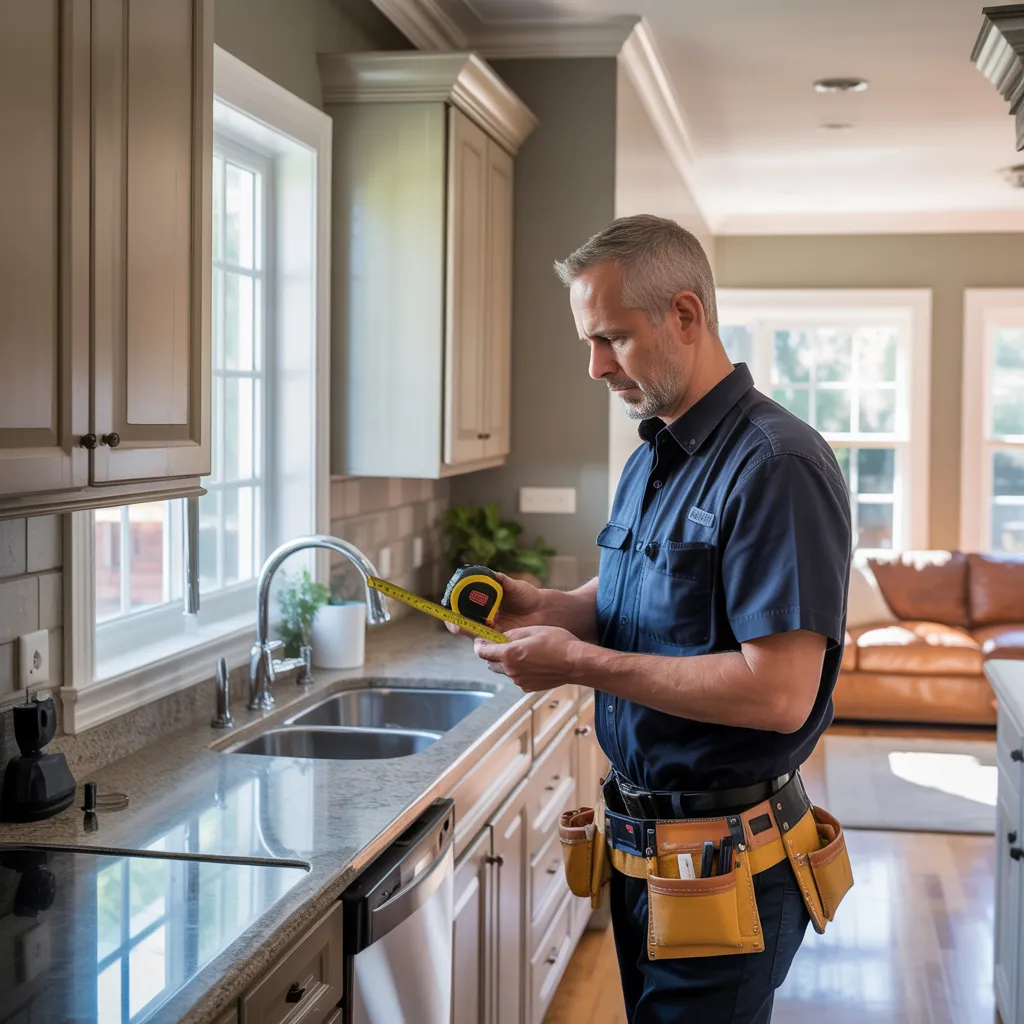
Picking a suitable general contractor for your home project is an important selection. It requires careful analysis of various considerations, encompassing experience, certifications, and communication abilities. Several residents ignore critical elements, leading to significant financial losses. Comprehending how to examine prospective contractors can produce a in-depth article major effect. By highlighting core requirements and inquiring about the suitable topics, you can work through this challenging endeavor more skillfully. What are the important measures to assure a rewarding working relationship?
Key Factors for Steering clear of Standard Pitfalls When Hiring a Professional
When picking a general contractor, how should one navigate the numerous options without falling into common traps? Prospective clients often overlook vital aspects that can produce negative effects. First, considering price alone can be incorrect; the lowest bid may represent inferior quality or extra fees. Additionally, neglecting to check references or online reviews can result in hiring a contractor with a poor track record. It is also essential to not decide only on personality; a friendly contractor may not demonstrate the needed qualifications or consistency. Moreover, failing to establish clear communication and expectations can lead to misunderstandings and dissatisfaction. Finally, not reviewing contracts thoroughly before signing can result in surprise commitments or absence of safeguards. By being alert and aware, homeowners can make stronger determinations, ultimately resulting in a fruitful outcome.
What to Look For in a Contractor's Background
When reviewing a contractor's background, several key factors prove important. Applicable work history, industry certifications, and an comprehensive collection of completed work represent critical indicators of their competencies. Evaluating these aspects can provide valuable insights into the contractor's appropriateness for the particular job at hand.
Pertinent Work Experience
Understanding a contractor's applicable work history is essential for guaranteeing the success of any construction endeavor. Potential customers should evaluate the contractor's portfolio, focusing on finished work comparable in size and design to their own. This entails examining the quality of workmanship, adherence to timelines, and cost control in past projects. Additionally, it is advantageous to inquire about the types of materials used and the contractor's familiarity with area construction regulations and standards. Testimonials and references from previous customers can shed light on the contractor's reliability and communication skills. Ultimately, a contractor with substantial relevant experience can handle difficulties successfully, ensuring the project meets the homeowner's expectations and standards.
Professional Certifications And Licenses
Certification and licensing serve as critical indicators of a contractor's professionalism and skill in the construction sector. When selecting a general contractor, it is vital to confirm they have the necessary licenses dictated by local and state regulations. These licenses demonstrate compliance with building codes and safety standards. Additionally, industry certifications, such as those offered by the National Association of Home Builders or other comparable organizations, show a contractor's commitment to excellence and continuing education. Contractors holding specialized certifications may also possess skills in defined areas, like green building or remodeling. Ensuring a contractor has the proper credentials not only improves confidence in their skills but also minimizes potential legal and financial risks during the project.
Collection Of Finished Projects
The craftsman's portfolio of accomplished tasks acts as a key resource for judging their capabilities and experience. This set should showcase a diversity of jobs, demonstrating flexibility in different styles and complexities. When analyzing a portfolio, prospective customers must look for high-quality photos that show the workmanship involved. It is also beneficial to see works that align with the homeowner's specific needs or style choices. Attention to detail, new methods, and timely completion are key signs of a contractor’s expertise. Furthermore, client testimonials or project analyses included in the portfolio provide enhanced perspective into the contractor's dedication and dependability. Finally, a comprehensive portfolio enables homeowners to select carefully regarding their future jobs.
How to confirm Your Contractor's Credentials and Licenses
Before hiring a general contractor, it is essential to verify their qualifications and certifications to confirm they satisfy industry standards. Begin by checking with municipal licensing authorities to verify that the contractor holds the necessary licenses for your location and job scope. Each state has its own requirements, so learning about them can prevent subsequent issues.
Furthermore, ask regarding insurance coverage, including liability and workers' compensation, to secure protection against potential accidents or damages. Collect references from previous clients and touch base to evaluate satisfaction and reliability.
Lastly, assess any certifications the contractor may obtain, as these often show professional development and commitment to industry best practices. A thorough verification process not only guarantees compliance but also builds confidence in the contractor's ability to execute the project successfully.
Why Strong Communication Is Fundamental in Your Contractor Working Relationship
Effective communication plays a crucial role in the relationship between contractors and clients, determining the project's success from the beginning. Clear communication establishes expectations, timelines, and budgets, ensuring both parties are in agreement on the project's goals. When clients express their vision effectively, contractors can provide knowledgeable recommendations and solutions, improving the overall outcome.
Consistent communications and clear channels of contact enable swift resolution of issues as they emerge, decreasing potential delays. Additionally, a contractor who listens and replies to client feedback cultivates trust, which is essential for collaboration.
Moreover, solid communication facilitates in managing changes and surprising challenges, keeping the project on track. It allows the contractor to revise strategies based on client feedback, ensuring happiness across the undertaking. Ultimately, emphasizing interaction not only solidifies the contractor-client relationship but also significantly aids to the prosperous completion of the home project.
Key Questions to Address with Your Contractor in Preliminary Meetings
During first consultations with a contractor, clients should stress understanding their experience and qualifications. It's vital to ask about the project timeline and budget to confirm accord with the client's expectations. These questions build a framework for a successful partnership and effective project management.
Experience and Qualifications
Selecting a general contractor copyrights on understanding their background and credentials. Homeowners should ask about the contractor's industry experience and the types of projects they have completed. Specific questions regarding permits, certifications, and insurance are essential, as these ensure adherence to local laws and offer protection throughout the project. Additionally, reviewing past work through showcases or recommendations can offer insight into the contractor's craftsmanship and reliability. It is also beneficial to ask about their familiarity with similar projects, as this can indicate their capability to handle specific challenges. Ultimately, assessing a contractor's credentials and background fosters confidence and helps homeowners make informed decisions about their home projects.
Project Timeline and Spending Plan
How can property owners guarantee their project remains on schedule financially and temporally when consulting with a general contractor? To maintain alignment, they should pose significant questions during first consultations. Homeowners must ask regarding the projected schedule for project completion and any possible setbacks that could arise. Understanding the contractor's approach to schedule management is essential. Moreover, discussing the budget at the start is vital; homeowners should seek clarity on pricing quotes, payment schedules, and any built-in reserves for unforeseen expenses. Inquiring into previous projects can provide insight into the contractor's reliability in meeting deadlines and staying within budget. By creating transparent dialogue regarding timelines and finances, homeowners can foster a productive relationship with their contractor, improving the likelihood of a successful project.
Best Practices for Validating References and Perusing Reviews
What measures should one implement to ensure a general contractor is reliable? First, it is crucial to request a list of referrals from prospective contractors. A reputable contractor will willingly provide names and contact information of previous clients. One should call these references to question regarding their experiences, focusing on elements like communication, quality of work, and adherence to timelines.
Additionally, examining online reviews on sites like Google, Yelp, or Angie's List can provide valuable insights. It is important to identify trends in the reviews—consistent praise or criticism can indicate dependability or potential problems.
Furthermore, examining any grievances submitted with local licensing boards or consumer protection agencies can reveal a contractor's history. Finally, asking for recent photographs of completed work can help evaluate the quality of their craftsmanship. By taking these measures, one can make a more educated decision when choosing a general contractor.
Comprehending Independent Provider Charges and Financial Terms
Homeowners should understand typical payment terms. Most contractors require a deposit in advance, followed by progress payments linked to project milestones. It's essential to explain these terms before executing a contract to prevent misunderstandings. Furthermore, homeowners should ask regarding potential additional costs, such as permits or surprise maintenance. Clear communication regarding costs and payment arrangements will help create a honest working relationship, eventually resulting in a positive project outcome. Understanding these elements empowers homeowners to choose wisely when selecting a general contractor.
Regularly Asked FAQs
What Schedule Should We Expect for Project Delivery?
The project timeline typically varies depending on complexity and scope. Generally, completion may take multiple weeks or months. Factors including weather, availability of materials, and labor resources can significantly impact the project completion schedule.
What Takes Place if Surprise Challenges Surface During Building?
If unforeseen issues arise during construction, the contractor usually assesses the circumstances, communicates with the homeowner, and proposes solutions. Modifications to the timeline and spending may be necessary, ensuring transparency throughout the process.
Does My Project Demand Permits or Reviews?
Most projects require inspection and permit approvals to ensure compliance with local construction standards. It is vital to work with a building contractor who grasps these requirements, as they can handle the permitting process effectively.
What Is Your Approach to Handling Subcontractors and Their Compensation?
A established general contractor directs subcontractors by establishing clear contracts defining payment terms. They promise punctual payments, copyright ongoing communication, and monitor subcontractor work quality, creating a cooperative setting that supports project success and productivity.
What Guidelines Do You Have Regarding Project Updates or System Enhancements?
The contractor implements a versatile method to project alterations, necessitating written documentation for any enhancements. They promise clear communication, assess budgetary consequences, and adjust timelines accordingly to meet the client's evolving needs and preferences.